
Maintenance Tips for Japanese Used Cars | MDK Japan
Keep your Japanese used car running smoothly with expert maintenance tips. From regular servicing to battery care, MDK Japan shares essential advice for long-lasting performance and reliability.
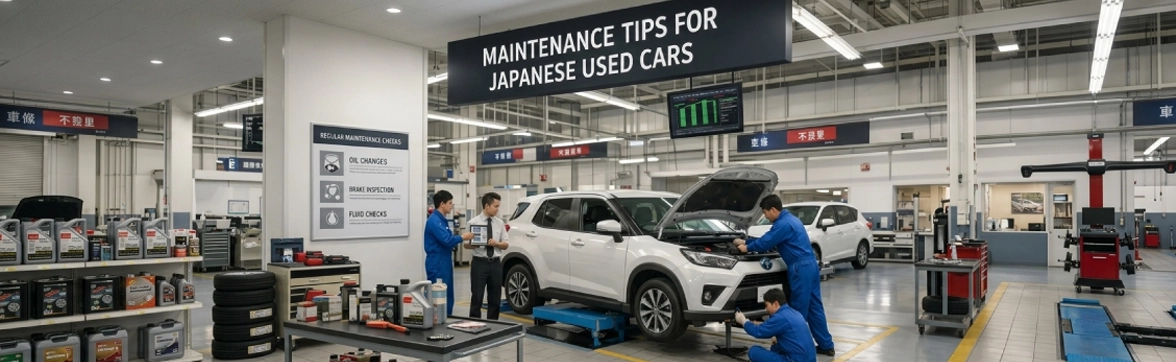 Maintenance
Maintenance Tips for Japanese Used Cars:
Buying a Japanese used car offers reliability, advanced technology, and excellent value. However, regular maintenance is essential to keep your vehicle performing at its best. Follow these practical maintenance tips to maximize the lifespan of your Japanese car.
1. Regular Oil Changes
Engine oil lubricates the engine and reduces wear and tear. For Japanese used cars:
- Change oil every 5,000–7,500 km or as per manufacturer guidelines.
- Use high-quality synthetic oil for better engine protection.
- Check oil levels regularly to prevent engine damage.
2. Check and Replace Filters
Filters maintain clean air and fuel flow, protecting your engine:
- Air Filter: Replace every 15,000–20,000 km or when clogged.
- Fuel Filter: Replace every 40,000–60,000 km.
- Cabin Filter: Improves air quality inside the vehicle.
3. Brake System Maintenance
Brakes are critical for safety and performance:
- Inspect brake pads and discs every 10,000–15,000 km.
- Replace worn pads promptly to prevent damage to discs.
- Check brake fluid levels and top up if necessary.
4. Battery Care
Japanese cars, including hybrids and EVs, rely on battery health:
- Check battery terminals for corrosion and clean them regularly.
- Test battery performance annually.
- For hybrid or EV vehicles, follow manufacturer guidelines for battery charging cycles.
5. Tire Inspection and Rotation
Proper tire maintenance ensures safety and efficiency:
- Rotate tires every 8,000–10,000 km to ensure even wear.
- Check tire pressure monthly.
- Replace tires with low tread or visible damage promptly.
6. Regular Engine and Transmission Checks
Prevent major issues with routine inspections:
- Inspect belts, hoses, and coolant levels regularly.
- Change transmission fluid as recommended by the manufacturer.
- Listen for unusual noises or vibrations during driving.
7. Keep It Clean and Protected
Exterior and interior maintenance helps retain value:
- Wash and wax the exterior regularly.
- Apply underbody rust protection, especially in humid climates.
- Clean the interior and use protective sprays for leather or fabric seats.
8. Follow Manufacturer Service Schedules
Japanese car brands provide detailed service schedules in the owner’s manual. Following these recommendations ensures:
- Optimal engine performance
- Extended vehicle lifespan
- Reduced repair costs
9. Use Genuine Parts
Always use OEM (original equipment manufacturer) parts for replacements. Japanese cars perform best with parts designed specifically for the model.
10. Partner with Trusted Experts
For imported Japanese cars, it’s essential to work with experienced service centers familiar with Japanese vehicles.
- MDK Japan can guide buyers to trusted mechanics and dealerships that specialize in Japanese car maintenance.
Conclusion:
Proper maintenance is key to keeping your Japanese used car reliable, safe, and efficient. By following these tips and scheduling regular inspections, you can enjoy the renowned longevity and performance of Japanese vehicles for years to come.



No comments yet. Be the first to comment!